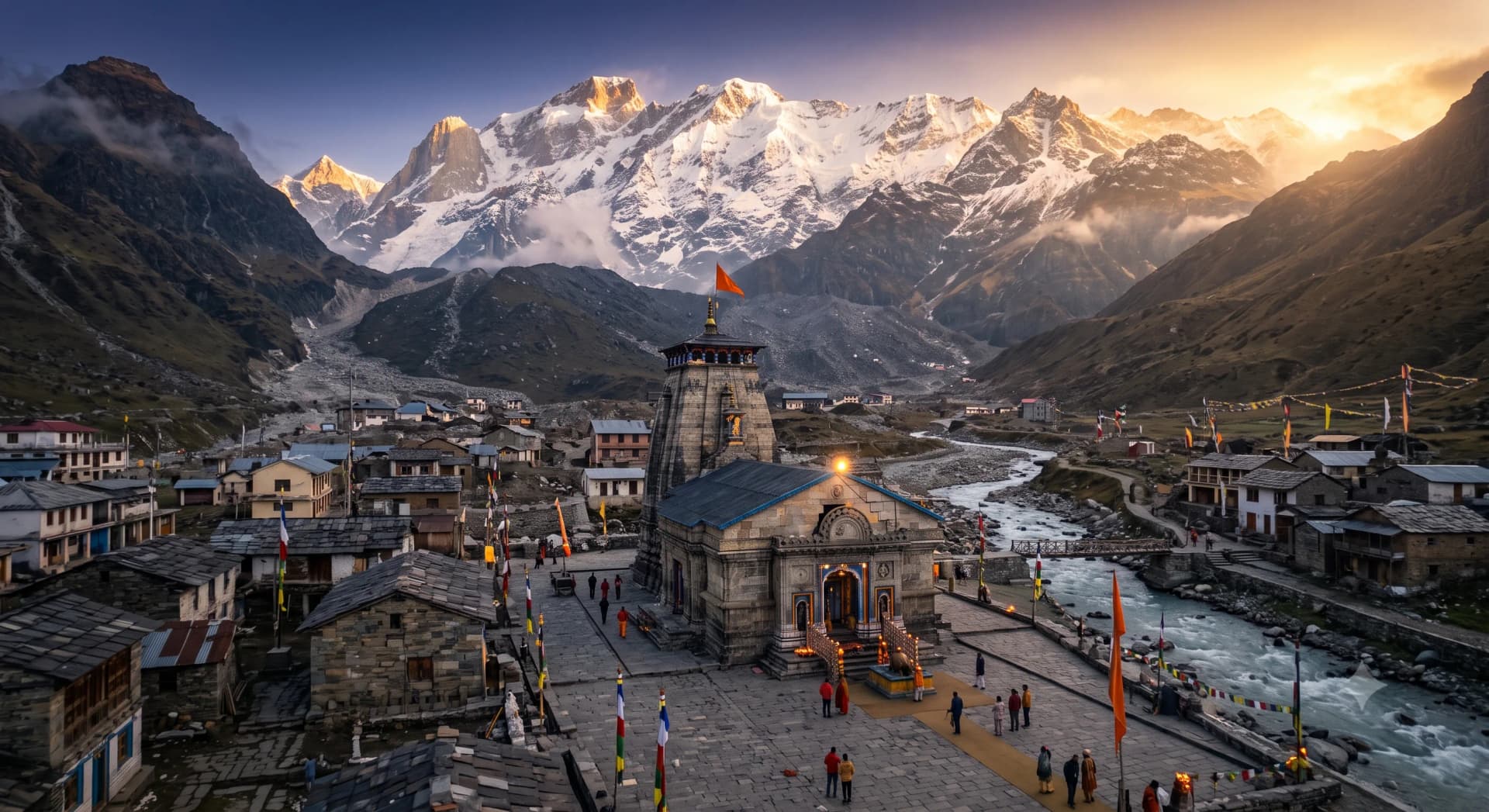
द्वादश ज्योतिर्लिंगों में सबसे ऊंचा, पंच केदार में प्रथम और छोटा चार धाम का प्रमुख अंग — उत्तराखंड के गढ़वाल हिमालय में 3,583 मीटर की ऊंचाई पर स्थित केदारनाथ धाम सनातन धर्म के सबसे पावन और पूजनीय तीर्थों में से एक है।
हिमालय की गोद में पावन धाम
The Himalayan Shrine
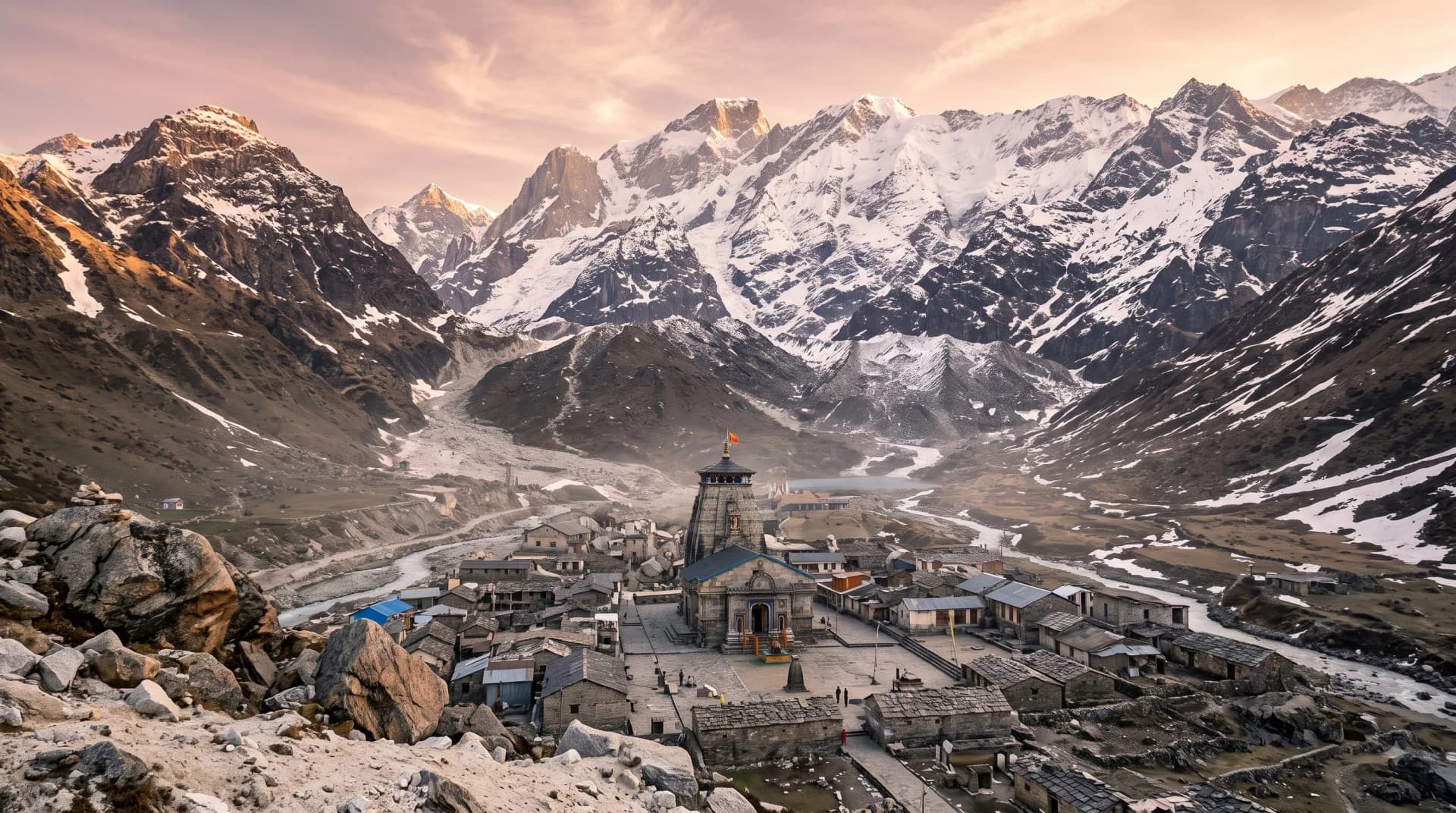
केदारनाथ धाम उत्तराखंड के रुद्रप्रयाग जिले में समुद्र तल से 3,583 मीटर की ऊंचाई पर उच्च गढ़वाल हिमालय में स्थित है। पास ही चोराबाड़ी हिमनद (ग्लेशियर) से पवित्र मंदाकिनी नदी निकलती है, जो मंदिर के नीचे से होकर बहती है। केदारनाथ, केदार डोम और भरतकुंड की बर्फ से ढकी चोटियां मंदिर के पीछे विशाल प्राचीर की तरह खड़ी हैं।
यह मंदिर केवल मई से नवंबर के बीच ही खुलता है। सर्दियों में भारी बर्फबारी के कारण यह पूरा क्षेत्र बंद हो जाता है, और भगवान केदारनाथ की उत्सव डोली को पूजा के लिए नीचे ऊखीमठ ले जाया जाता है। प्रतिवर्ष अक्षय तृतीया पर जब कपाट दोबारा खुलते हैं, तो देश-विदेश से हजारों श्रद्धालु दर्शन के लिए उमड़ते हैं।
सड़क मार्ग से गौरीकुंड अंतिम बिंदु है। वहां से लगभग 16 किलोमीटर की खड़ी चढ़ाई पैदल तय करनी होती है। यात्रियों की सुविधा के लिए घोड़ा-खच्चर, पालकी (डंडी-कंडी) और फाटा व सिरसी से हेलीकॉप्टर सेवा भी उपलब्ध रहती है।
पांडवों की तपस्या और पंच केदार की कथा
The Legend of the Pandavas
केदारनाथ के प्राकट्य की कथा महाभारत काल से जुड़ी है।
कुरुक्षेत्र के भीषण युद्ध के बाद, पांडव अपने कुल के लोगों और गुरुजनों के वध के पाप से अत्यधिक दुखी थे। इस पाप से मुक्ति पाने के लिए वे भगवान शिव के दर्शन हेतु निकले। लेकिन महादेव उन्हें इतनी आसानी से क्षमा नहीं करना चाहते थे, इसलिए वे अंतर्ध्यान होकर गुप्तकाशी के पास बैलों के झुंड में नंदी रूप धारण कर छिप गए।
बलशाली भीम ने उस दिव्य बैल को पहचान कर पकड़ने का प्रयास किया, तो वह बैल पाताल लोक में समाने लगा। तब भीम ने पीछे से उसके कूबड़ (पृष्ठ भाग) को कसकर पकड़ लिया।
महादेव का कूबड़ रूप केदारनाथ में ही स्थापित रह गया, जबकि उनके शरीर के अन्य चार अंग गढ़वाल के अलग-अलग स्थानों पर प्रकट हुए — तुंगनाथ में भुजाएं, रुद्रनाथ में मुख, मध्यमहेश्वर में नाभि और कल्पेश्वर में जटाएं। पांडवों की इस अटूट भक्ति से प्रसन्न होकर महादेव ने उन्हें दर्शन दिए और पापमुक्त किया।
मान्यता है कि पांडवों ने ही स्वर्गारोहण से पूर्व यहां पाषाण का मूल मंदिर बनवाया था।
स्वयंभू त्रिकोणीय ज्योतिर्लिंग
The Jyotirlinga
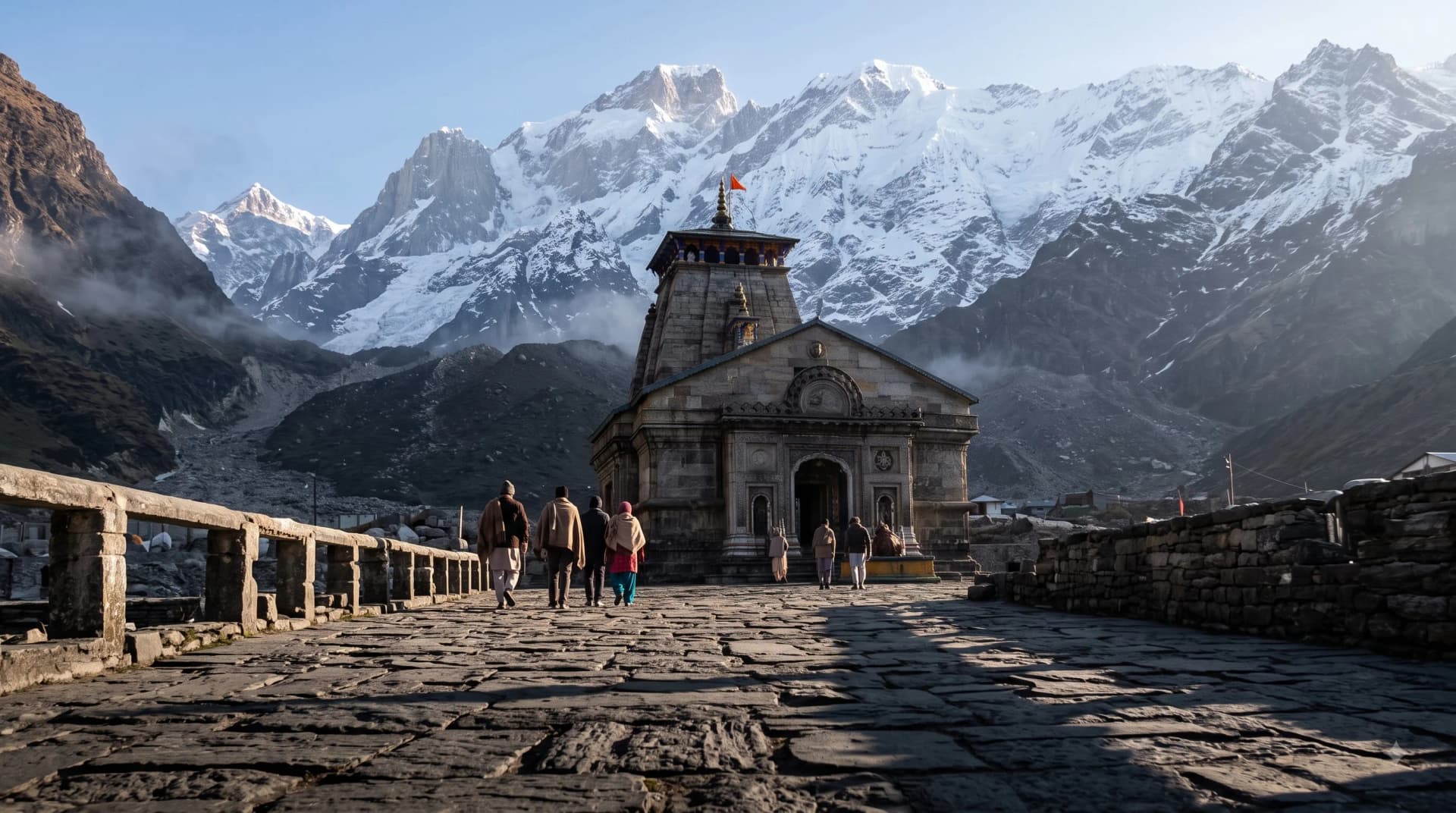
केदारनाथ भगवान शिव के बारह ज्योतिर्लिंगों में से एक है। अन्य ज्योतिर्लिंगों के विपरीत, जहां शिवलिंग का एक सुडौल रूप होता है, केदारनाथ में भगवान शिव एक प्राकृतिक त्रिकोणीय पाषाण शिला के रूप में पूजे जाते हैं (जो बैल के कूबड़ का प्रतीक है)।
यह शिला सदियों से होने वाले जलाभिषेक और पूजा-अर्चना से चिकनी हो चुकी है। यह मानव द्वारा गढ़ी गई मूर्ति नहीं, बल्कि प्रकृति में साक्षात स्वयंभू रूप से प्रकट भगवान शिव की साक्षात उपस्थिति है।
अद्भुत पाषाण वास्तुकला और आदि शंकराचार्य समाधि
The Temple
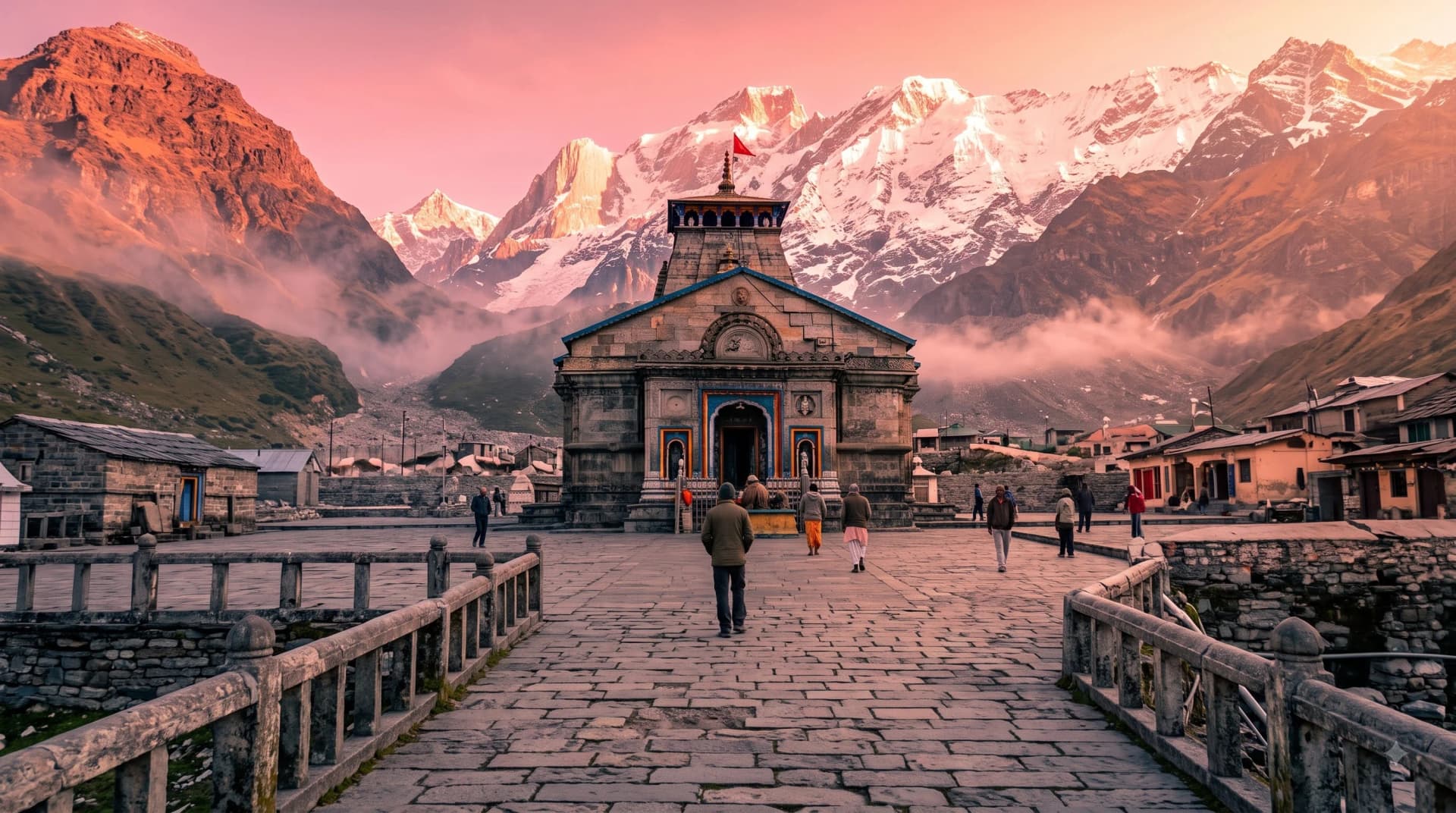
वर्तमान केदारनाथ मंदिर विशाल भूरे पत्थरों को आपस में जोड़कर (इंटर-लॉकिंग शैली) बनाया गया है, जो भारी बर्फबारी और आंधी-तूफान को सहने में पूरी तरह सक्षम है। कहा जाता है कि इन पत्थरों को जोड़ने के लिए किसी गारे या चूने का प्रयोग नहीं किया गया, बल्कि वे अपने ही संतुलन और वजन से मजबूती से जुड़े हैं।
मंदिर के गर्भगृह में त्रिकोणीय स्वयंभू ज्योतिर्लिंग विराजमान है। मंदिर के ठीक पीछे 8वीं शताब्दी के महान दार्शनिक और संत आदि शंकराचार्य जी की समाधि और प्रतिमा स्थित है। मान्यता है कि सनातन धर्म का पुनरुद्धार करने के बाद उन्होंने यहीं महासमाधि ली थी।
यह मंदिर सदियों से भीषण हिमपात, भूकंप और बाढ़ के बावजूद अडिग खड़ा है।
2013 की आपदा और आस्था की विजय
2013 — The Flood
16–17 जून 2013 को केदारनाथ घाटी में भीषण बादल फटने से भयानक बाढ़ और मलबा आया, जिसने नीचे बसे पूरे कस्बे को बहा दिया। इस त्रासदी में हजारों लोगों ने अपनी जान गंवाई।
परंतु इस प्रलयंकारी बाढ़ में केदारनाथ का मुख्य मंदिर चमत्कारिक रूप से सुरक्षित रहा। बाढ़ के तीव्र वेग के साथ बहकर आई एक विशाल शिला (जिसे अब 'भीम शिला' कहा जाता है) मंदिर के ठीक पीछे आकर रुक गई। इस शिला ने पानी और मलबे के बहाव को दो भागों में बांटकर मंदिर के दोनों तरफ से निकाल दिया, जिससे गर्भगृह और ज्योतिर्लिंग को खरोंच तक नहीं आई।
इसके बाद उत्तराखंड सरकार और सेना के सहयोग से पूरे यात्रा मार्ग और कस्बे का आधुनिक और सुरक्षित पुनर्निर्माण किया गया। आज केदारनाथ धाम और भी व्यवस्थित और भव्य रूप में तीर्थयात्रियों का स्वागत कर रहा है।
दर्शन और यात्रा की जानकारी
गौरीकुंड से लगभग 16 किमी की खड़ी चढ़ाई शारीरिक रूप से चुनौतीपूर्ण है। 3,000 मीटर से अधिक ऊंचाई होने के कारण ठंड और ऑक्सीजन की कमी हो सकती है, इसलिए धीरे-धीरे चढ़ें और आवश्यक दवाइयां साथ रखें।
मंदिर कैसे पहुँचें
भारी बारिश के दौरान यात्रा न करें। यात्रा शुरू करने से पहले उत्तराखंड सरकार के पोर्टल पर अनिवार्य पंजीकरण अवश्य कराएं।
आस-पास के पवित्र स्थल
12 पावन ज्योतिर्लिंगों में सबसे ऊंचा और उत्तरी धाम।
हिमालय के पांच केदार धामों में प्रथम, जहां शिव के कूबड़ की पूजा होती है।
यमुनोत्री, गंगोत्री और बदरीनाथ के साथ उत्तराखंड का पावन चार धाम।
केदारनाथ घाटी के क्षेत्रपाल भैरव देव — मुख्य मंदिर के कपाट बंद होने पर इनकी विशेष पूजा होती है।
केदारनाथ के ऊपर हिमनद की झील, जहां महात्मा गांधी की अस्थियां विसर्जित की गई थीं।
4,135 मीटर की ऊंचाई पर स्थित पवित्र पहाड़ी झील — एक सुंदर व चुनौतीपूर्ण ट्रैक।
पैदल यात्रा का आधार स्थल — जहां मां पार्वती ने तपस्या की थी, यहां गर्म जल का कुंड भी है।
वह पावन स्थल जहां भगवान विष्णु की उपस्थिति में शिव-पार्वती का विवाह संपन्न हुआ था।
स्रोत
- Kedar Khanda, Skanda Purana(scripture)
- Badrinath Kedarnath Temples Committee (badrinath-kedarnath.gov.in)(official)
- Archaeological Survey of India (Dehradun Circle)(government)
- Wadia Institute of Himalayan Geology (scientific study on the 2013 flood and terrain stability)(reference)
- Wikipedia — Kedarnath Temple (cross-check)(reference)
त्वरित लिंक और संबंधित तीर्थ
अन्य प्रमुख पवित्र धाम, ज्योतिर्लिंग एवं तीर्थ यात्राओं का अन्वेषण करें।