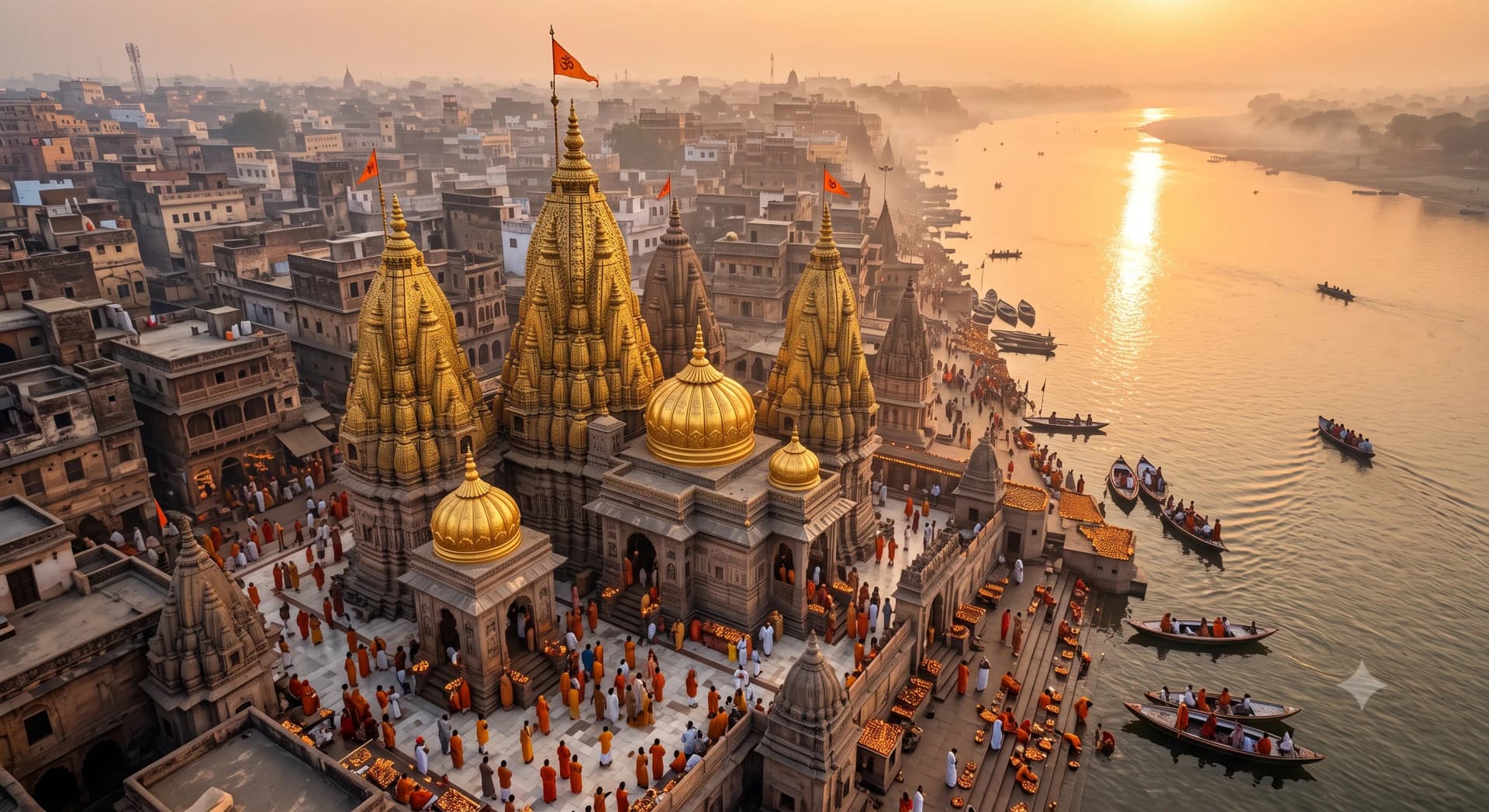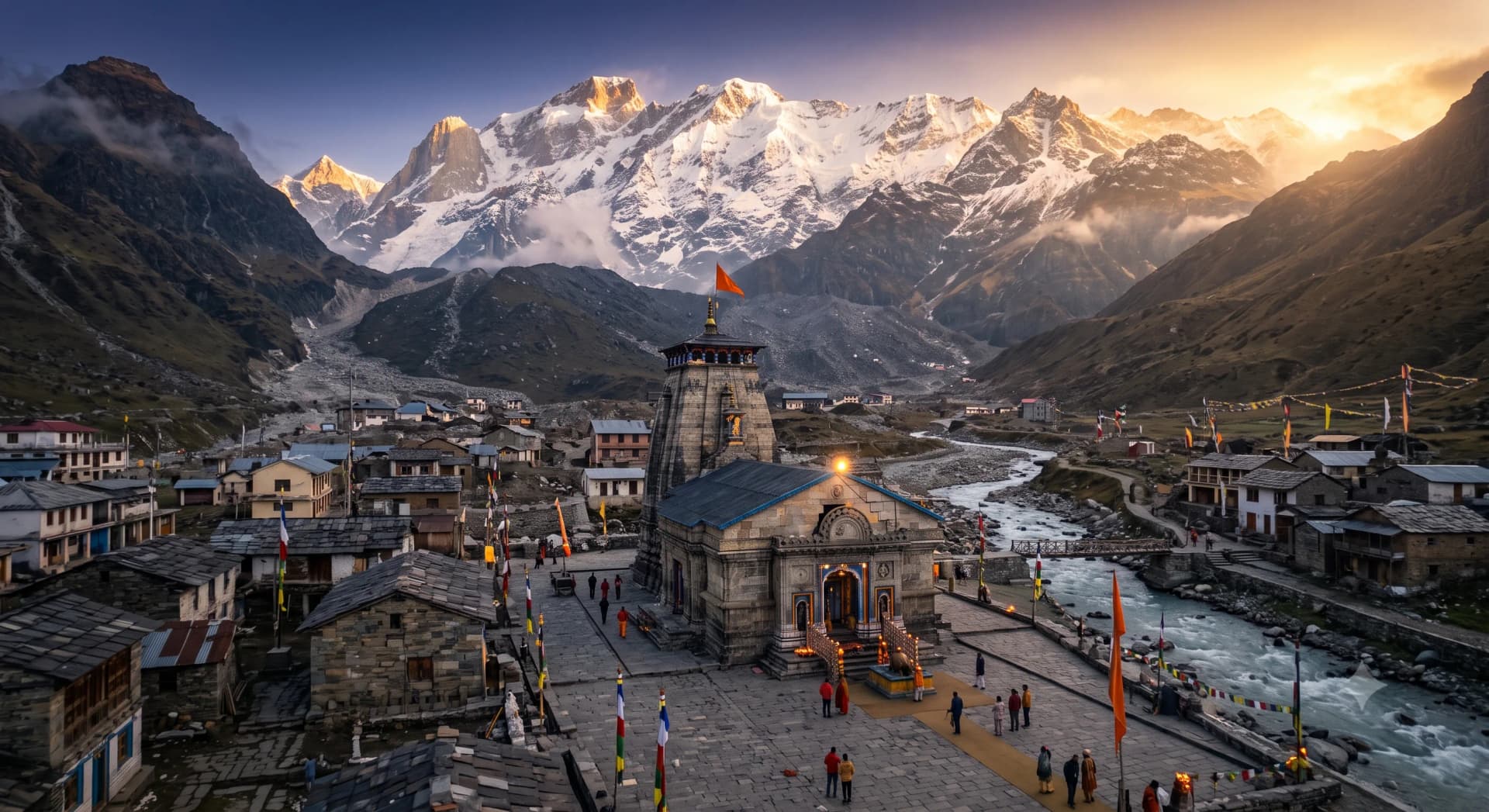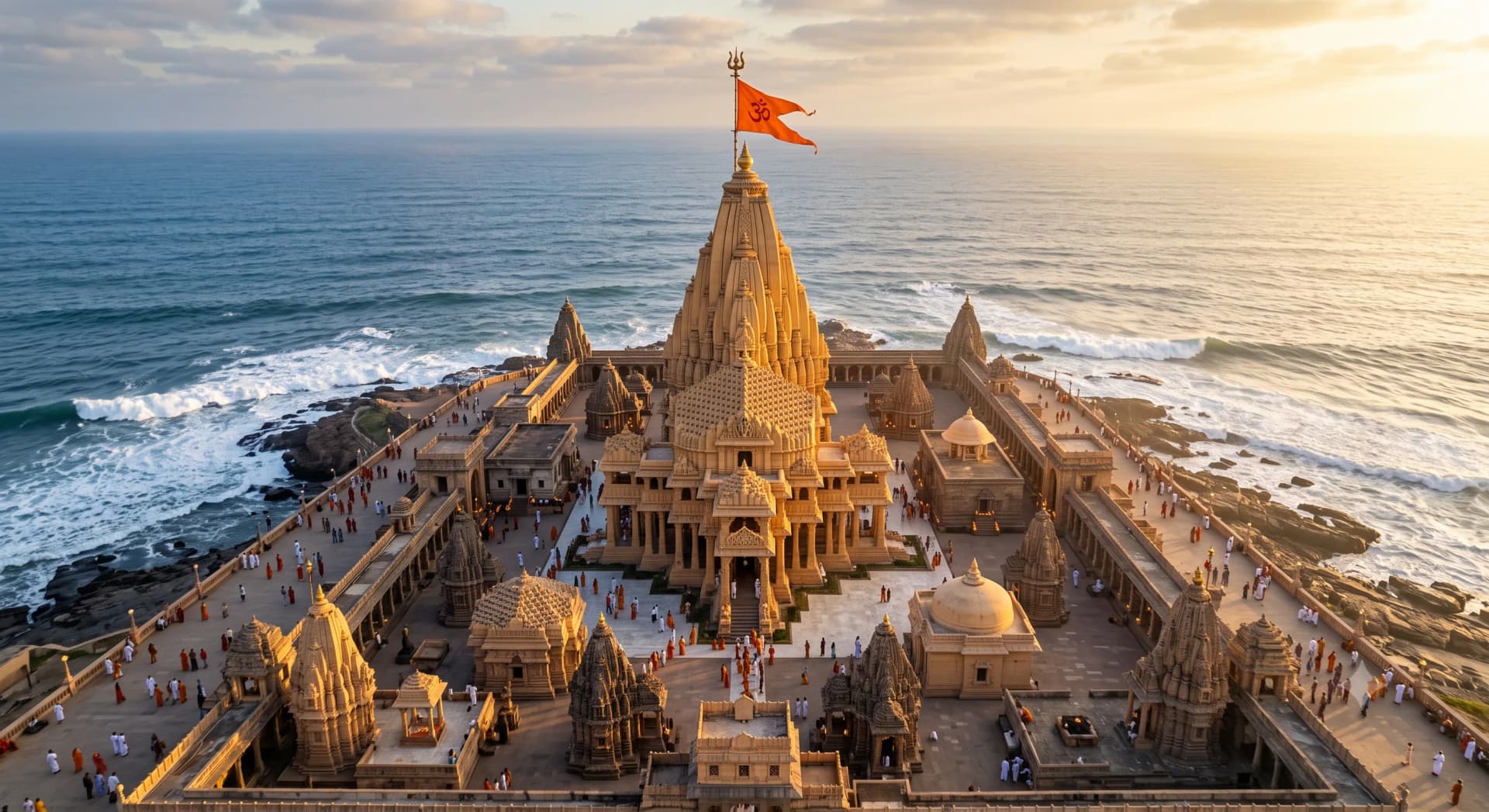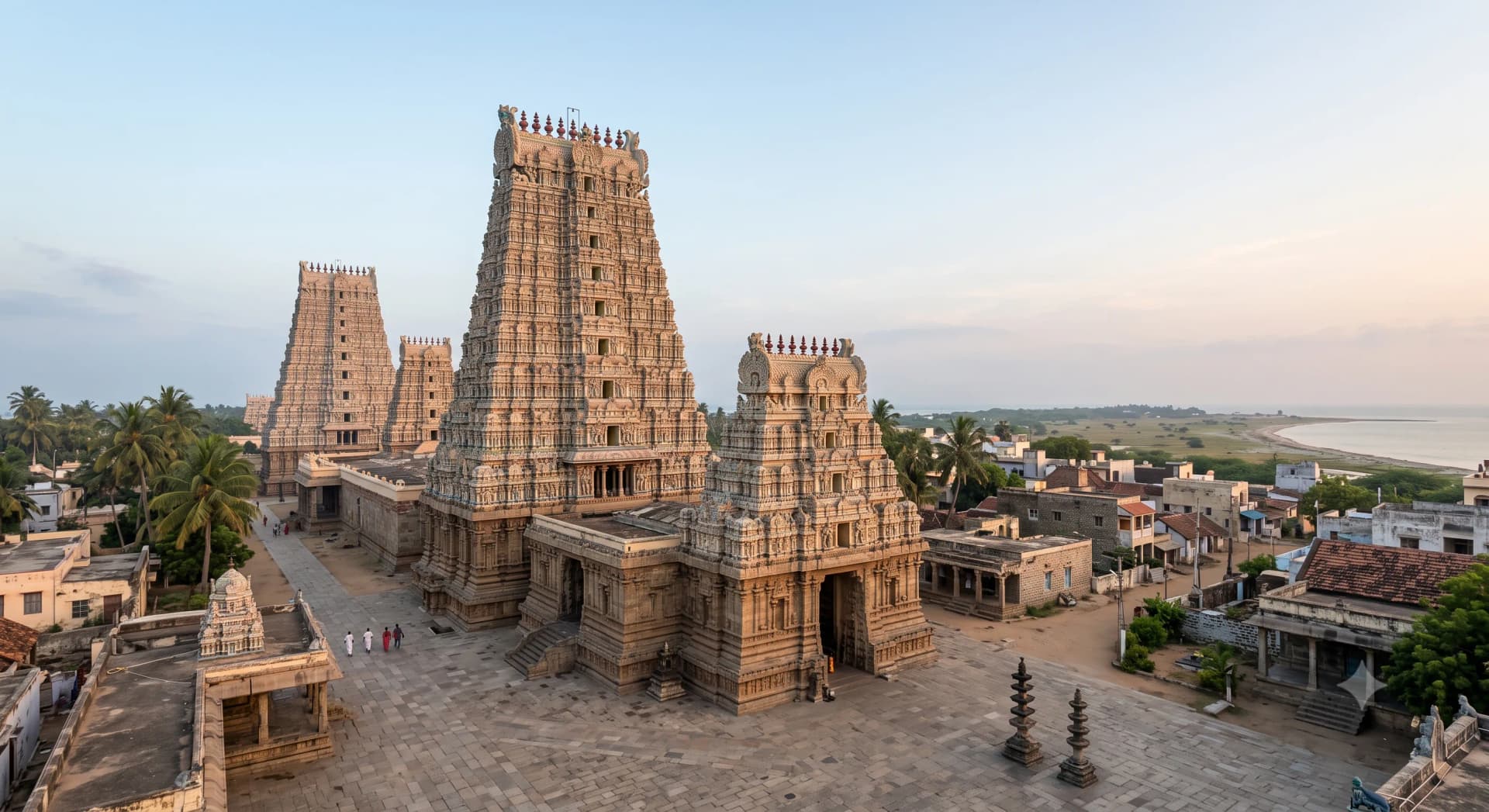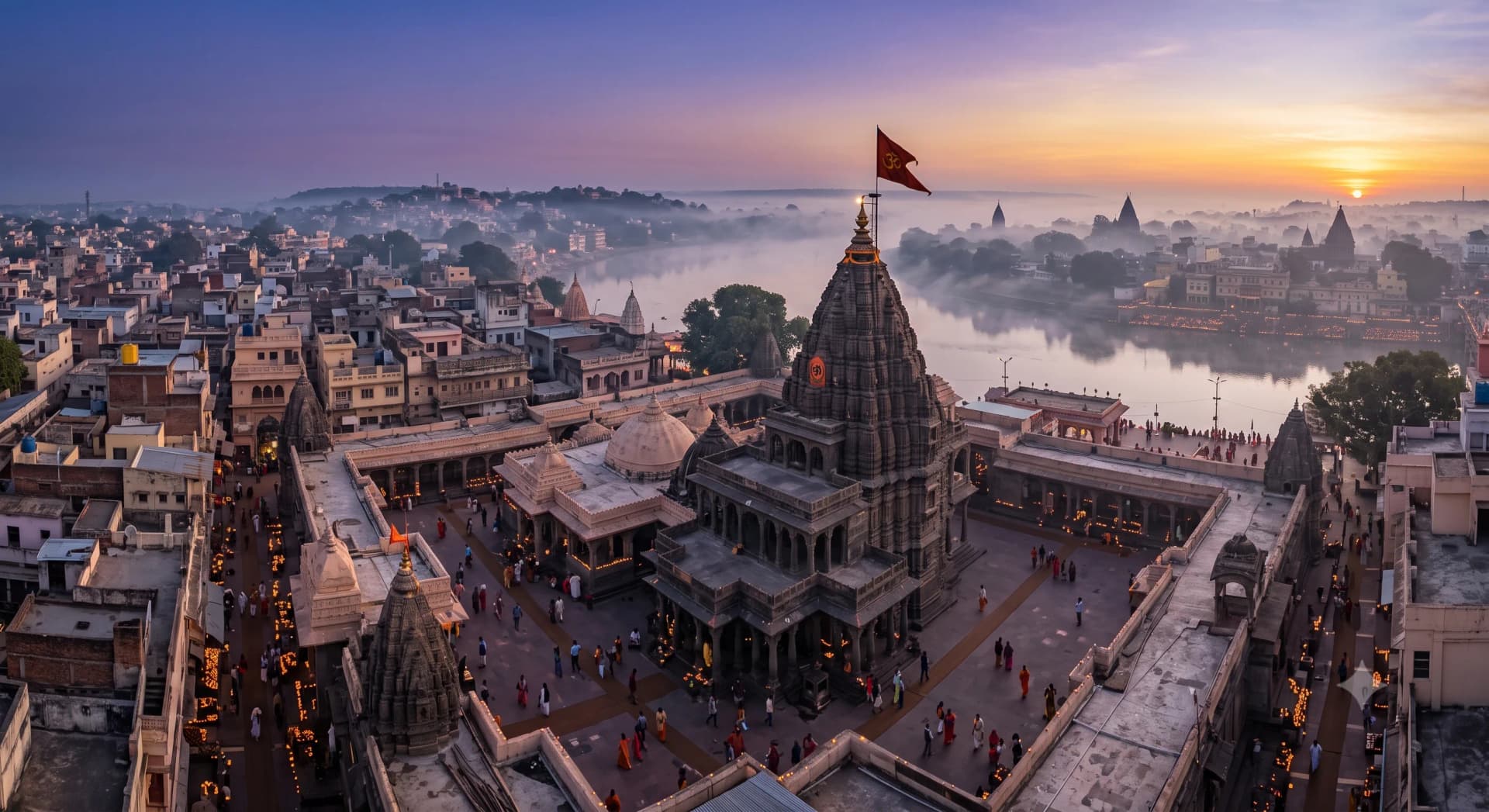
द्वादश ज्योतिर्लिंगों में एकमात्र दक्षिणमुखी पावन धाम, जहां ब्रह्ममुहूर्त में दिव्य भस्म आरती होती है। क्षिप्रा नदी के तट पर बसी प्राचीन अवंतिका (उज्जैन) नगरी में स्थित महाकालेश्वर मंदिर काल और मृत्यु के अधिपति भगवान शिव का परम धाम है।
महाकाल की नगरी — उज्जयिनी
City of Mahakaal
उज्जैन (प्राचीन अवंतिका) सनातन धर्म की सात पवित्र पुरियों (सप्त पुरियों) में से एक है, जो मध्य प्रदेश में पवित्र क्षिप्रा नदी के पूर्वी तट पर बसी है। यह प्राचीन भारत की महान ज्ञान व संस्कृति की राजधानी रही है — सम्राट विक्रमादित्य की नगरी, महाकवि कालिदास की कर्मभूमि और सदियों तक खगोल विज्ञान का प्रमुख केंद्र।
प्राचीन भारतीय ज्योतिष और खगोल शास्त्र में उज्जैन को पृथ्वी का केंद्र यानी 'शून्य देशांतर रेखा' (प्राइम मेरिडियन) माना जाता था, जहां से समय की गणना होती थी। इसी कारण उज्जैन को 'काल की नगरी' और इसके आराध्य को 'महाकाल' (काल और समय के स्वामी) कहा जाता है।
क्षिप्रा नदी का तट उन चार पावन स्थलों में से एक है जहां कुंभ मेला लगता है। जब बृहस्पति सिंह राशि में प्रवेश करते हैं, तो उज्जैन में लगने वाले 'सिंहस्थ कुंभ' में देश-विदेश से करोड़ों श्रद्धालु आते हैं।
महाकाल — समय और मृत्यु के अधिपति
Mahakaal — Lord of Time
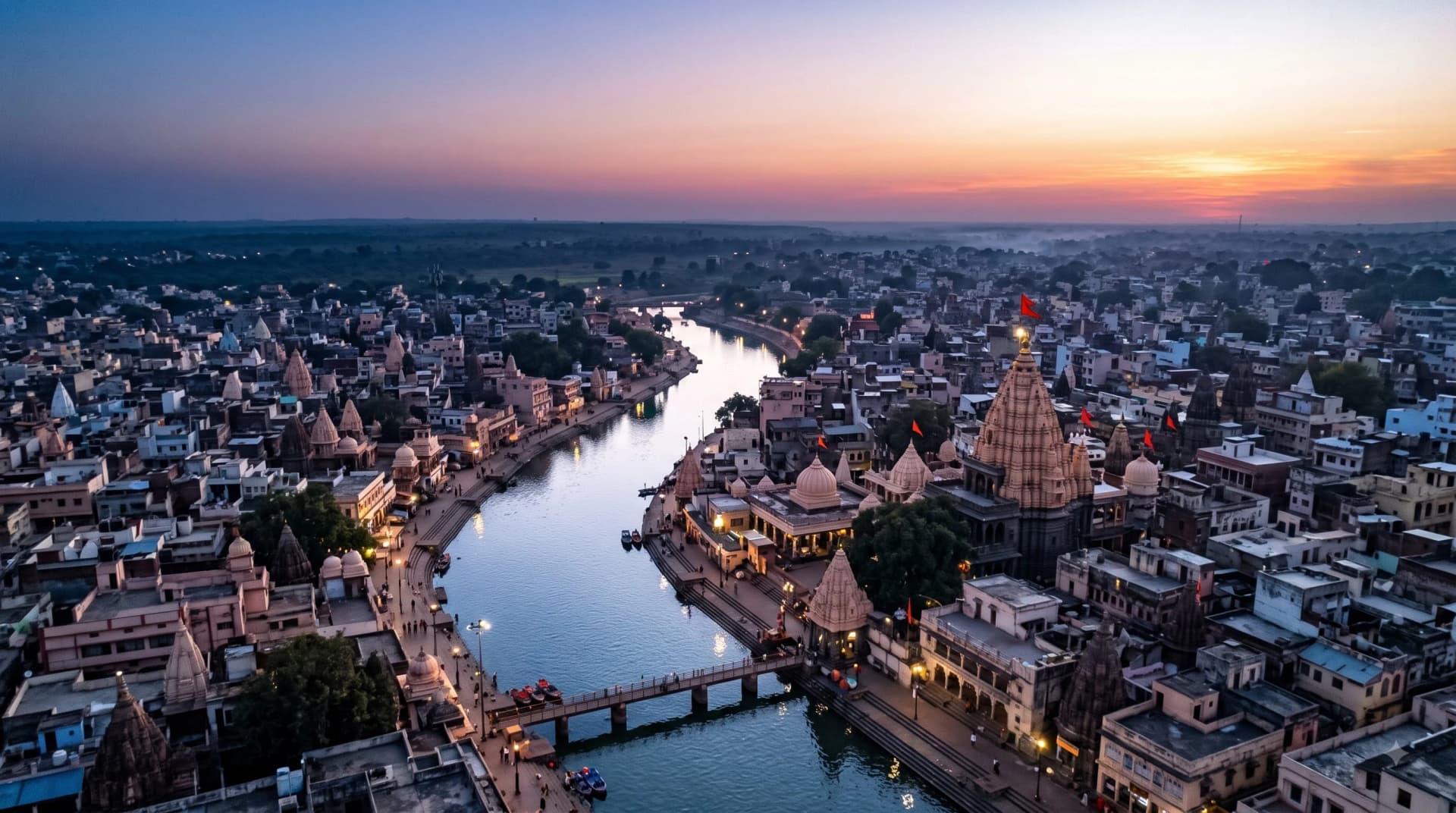
संस्कृत में 'काल' के दो अर्थ होते हैं — समय और मृत्यु। भगवान शिव जब महाकाल के रूप में पूजे जाते हैं, तो वे समस्त समय-चक्र और मृत्यु से भी परे परम तत्व का प्रतिनिधित्व करते हैं।
महाकालेश्वर ज्योतिर्लिंग स्वयंभू माना जाता है। इस पावन ज्योतिर्लिंग की सबसे बड़ी विशेषता इसका 'दक्षिणमुखी' होना है। सनातन परंपरा में दक्षिण दिशा को यमराज (मृत्यु के देवता) की दिशा माना जाता है। दक्षिण की ओर मुख करके विराजमान महादेव का यह स्वरूप भक्तों को अकाल मृत्यु और भय से मुक्ति प्रदान करता है।
स्कंद पुराण के अवंतिका महात्म्य के अनुसार, दूषण नामक असुर के अत्याचार से अवंतिका के ब्राह्मणों और नगरवासियों की रक्षा के लिए भगवान शिव हुंकार भरकर धरती फाड़कर प्रकट हुए थे और नगर के स्थायी रक्षक बन गए।
अलौकिक भस्म आरती
The Bhasma Aarti
महाकालेश्वर मंदिर की भस्म आरती विश्व की सबसे अनूठी और दिव्य पूजा परंपराओं में से एक है।
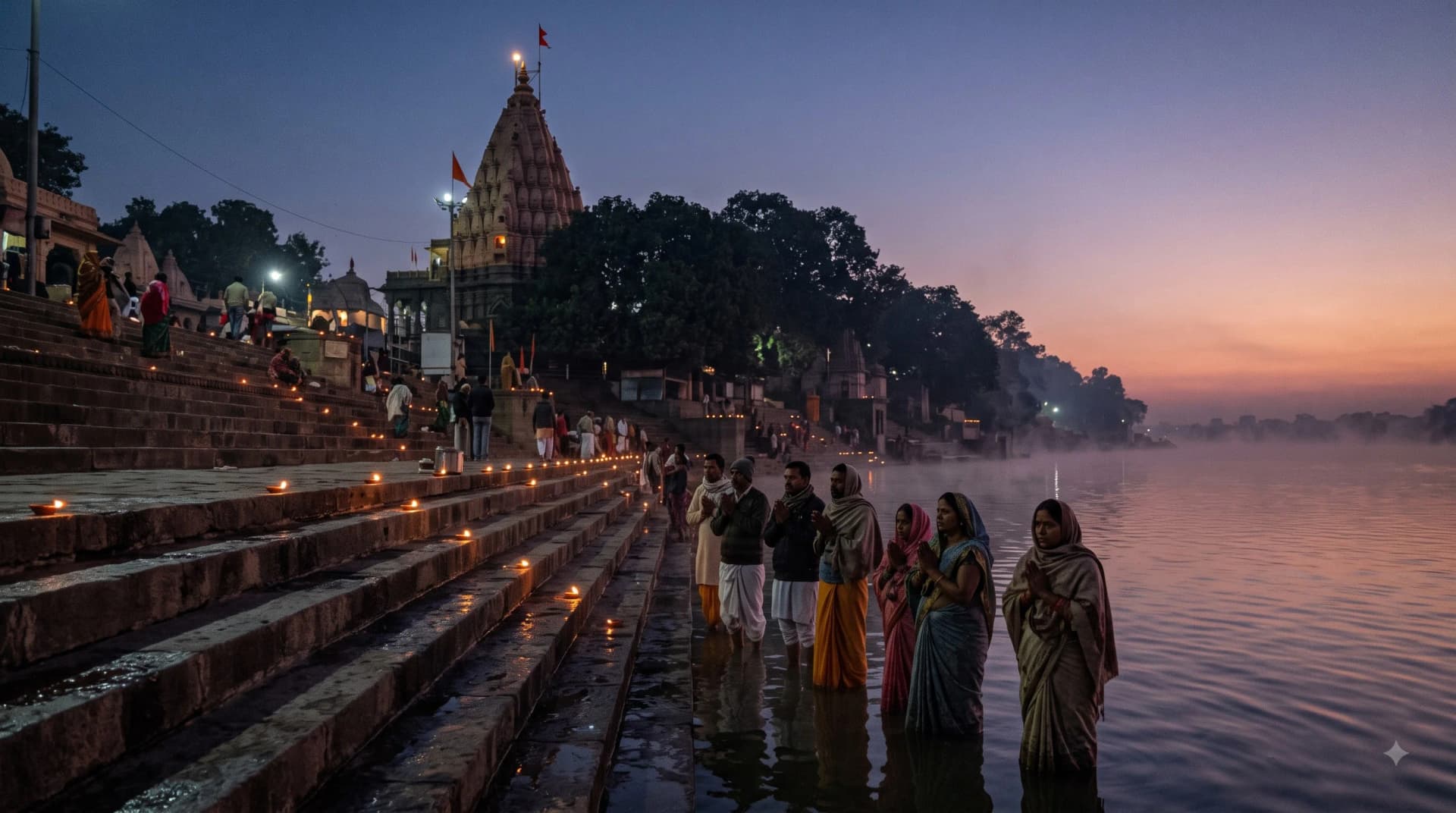
यह आरती प्रतिदिन ब्रह्ममुहूर्त में (प्रातः लगभग 4:00 बजे) सूर्योदय से पूर्व होती है। आरती से पहले ज्योतिर्लिंग का पंचामृत से अभिषेक और श्रृंगार किया जाता है। इसके बाद मंत्रोच्चार के बीच पवित्र भस्म से महादेव का अभिषेक किया जाता है।
भोर का शांत वातावरण, दीपकों का प्रकाश, डमरू और शंख की गूंज और भस्म में रमे महादेव का दर्शन भक्त के मन से मृत्यु और भय के सारे संशय मिटा देता है। भस्म आरती में सम्मिलित होने के लिए मंदिर समिति की वेबसाइट से पहले से पंजीकरण कराना होता है।
इतिहास और भव्य स्वरूप
History
महाकवि कालिदास के 'मेघदूत' और प्राचीन पुराणों में महाकाल मंदिर की भव्यता का सुंदर वर्णन मिलता है, जो सिद्ध करता है कि यह मंदिर ईसा पूर्व से ही अत्यंत वैभवशाली रहा है।
1234 ईस्वी में दिल्ली सल्तनत के शासक इल्तुतमिश ने उज्जैन पर आक्रमण कर मंदिर को क्षति पहुंचाई थी। इसके बाद सदियों तक भक्तों ने इसकी पूजा जारी रखी।
18वीं शताब्दी में जब मालवा पर मराठा साम्राज्य का अधिकार हुआ, तब ग्वालियर के सिंधिया राजवंश के सेनापति रामचंद्र बाबा शेणवी ने वर्तमान बहुमंजिला पाषाण मंदिर का भव्य पुनर्निर्माण कराया।
मंदिर के ऊपरी तल पर ओंकारेश्वर महादेव का मंदिर भी स्थापित है। हाल ही में निर्मित भव्य 'श्री महाकाल लोक' कॉरिडोर ने इस तीर्थ क्षेत्र को और भी सुंदर व सुगम बना दिया है।
दर्शन और यात्रा की जानकारी
भस्म आरती के लिए आधिकारिक वेबसाइट (mahakaleshwar.com) से पहले से ऑनलाइन अनुमति लेना आवश्यक है। गर्भगृह में मोबाइल और कैमरा ले जाना वर्जित है।
मंदिर कैसे पहुँचें
अधिकांश श्रद्धालु इंदौर को आधार बनाकर एक ही दिन में उज्जैन और ओंकारेश्वर के दर्शन की योजना बनाते हैं।
आस-पास के पवित्र स्थल
तीसरा पावन ज्योतिर्लिंग, जो काल और समय का एकमात्र दक्षिणमुखी केंद्र है।
उज्जैन के सेनापति और रक्षक — यहां की मदिरा भोग की अनूठी परंपरा विश्वप्रसिद्ध है।
क्षिप्रा नदी का मुख्य स्नान घाट, जहां सिंहस्थ कुंभ का शाही स्नान आयोजित होता है।
उज्जैन का पावन शक्तिपीठ — जहां मां सती की कुहनी गिरी थी, सम्राट विक्रमादित्य की कुलदेवी।
वह पावन तपोभूमि जहां भगवान श्री कृष्ण, बलराम और सुदामा ने शिक्षा प्राप्त की थी।
मध्य प्रदेश का दूसरा पावन ज्योतिर्लिंग, जो पवित्र नर्मदा नदी के ॐ आकार द्वीप पर स्थित है।
स्रोत
- Avantika Mahatmya, Skanda Purana(scripture)
- Kalidasa, Meghaduta (Purva-megh), verse 30–31(historical)
- Mahakaleshwar Temple Committee (mahakaleshwar.com)(official)
- Archaeological Survey of India, Madhya Pradesh Circle(government)
- Wikipedia — Mahakaleshwar Jyotirlinga (cross-check)(reference)
त्वरित लिंक और संबंधित तीर्थ
अन्य प्रमुख पवित्र धाम, ज्योतिर्लिंग एवं तीर्थ यात्राओं का अन्वेषण करें।