The Festival of Lights
Diwali, the festival of lights, commemorates the return of Lord Rama to Ayodhya after fourteen years of exile and his victory over the demon king Ravana. The citizens of Ayodhya lit rows of clay diyas to welcome him home on the darkest night of the lunar year — a tradition that has illuminated India for millennia. On Kartik Amavasya night, Goddess Lakshmi — the deity of wealth and prosperity — is believed to visit homes that are clean, brightly lit, and filled with joy. The Lakshmi Puja performed during Pradosh Kaal (after sunset) is the spiritual heart of the five-day festival, accompanied by fireworks, rangoli, and the exchange of sweets between families.
Five Days of Diwali
What is Diwali?
Diwali (दीपावली / दिवाली, derived from Deepavali meaning 'row of clay lamps') is one of the most prominent festivals in Sanatan Dharma. Spanning five days, it celebrates the triumph of light over darkness, knowledge over ignorance, and good over evil.
Why is it observed?
Diwali commemorates the joyous return of Lord Ramachandra, Sita, and Lakshmana to Ayodhya after 14 years of exile and the defeat of Ravana. It also marks the appearance of Goddess Lakshmi during the churning of the cosmic ocean (Samudra Manthan).
How is it observed?
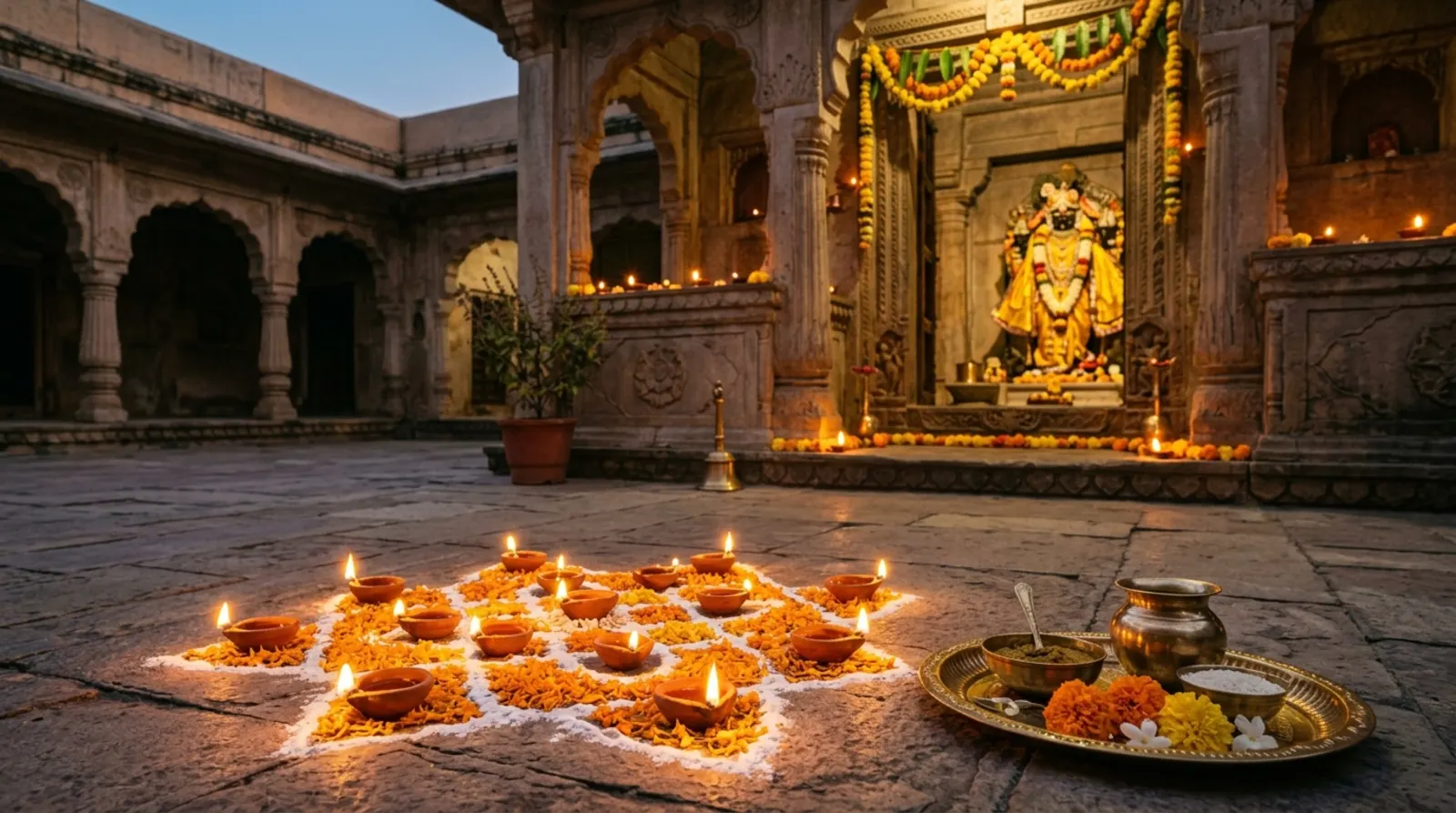
Houses are thoroughly cleaned, decorated with colorful Rangoli patterns and rows of illuminated oil lamps (diyas). Families dress in festive clothes, perform Lakshmi-Ganesha Puja in the evening during Pradosh kaal, share sweets and gifts, and celebrate with family gatherings.
When does it occur?
The main day of Diwali falls on the dark new moon night (Amavasya) of the Hindu lunar month of Kartik (October-November). Because it is determined by the intersection of Amavasya tithi with Pradosh kaal, the exact date varies each year.
Key Highlights
The Five Days of Deepavali
The festival spans five days: Dhanteras (Dhanvantari Jayanti), Narak Chaturdashi (Chhoti Diwali), Lakshmi Puja (Amavasya), Govardhan Puja (Annakut), and Bhai Dooj (Yama Dwitiya).
Pradosh Kaal Lakshmi Puja
According to scriptures like Nirnaya Sindhu, Lakshmi Puja is performed during Pradosh Kaal — the 2.4-hour window following sunset — while Amavasya tithi prevails.
Illumination & Rangoli
Traditional earthen lamps (diyas) filled with mustard oil or ghee are lit along doorsteps and verandas to welcome prosperity, purity, and spiritual light into homes.
Govardhan Puja & Annakut
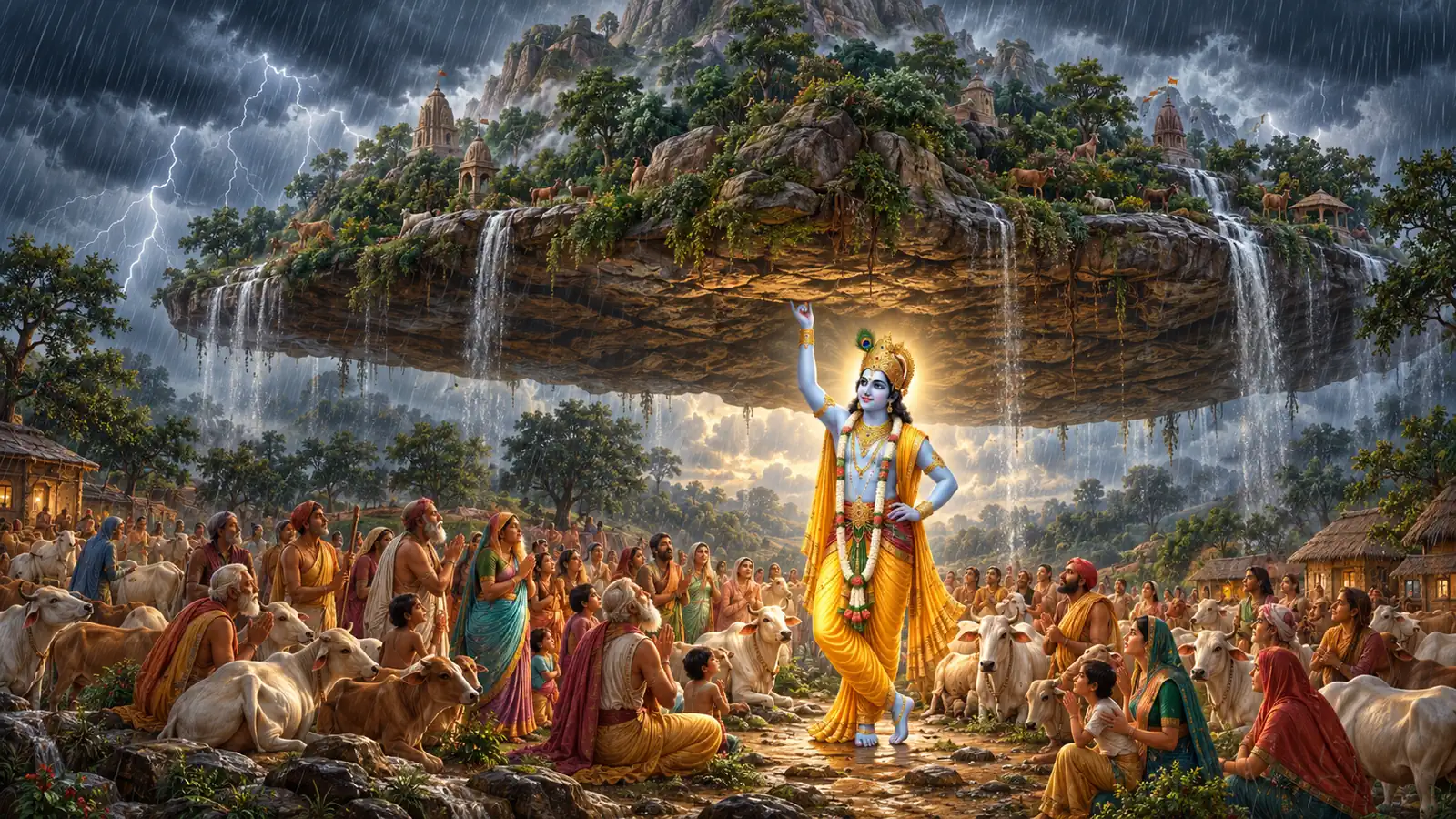
On the day following Amavasya, devotees commemorate Lord Krishna lifting the Govardhan Hill by preparing elaborate food offerings (Annakut) for the deity.
Frequently asked questions
Why is Lakshmi Puja performed on Amavasya?
According to Puranic tradition, Goddess Lakshmi emerged from the cosmic ocean during Samudra Manthan on Kartik Amavasya. Lighting lamps on this dark night symbolizes inviting her divine grace.
What is Pradosh Kaal for Diwali Puja?
Pradosh Kaal is the time window of approximately 2 hours and 24 minutes immediately following sunset. Performing Lakshmi Puja when Amavasya overlaps with Pradosh kaal is considered most auspicious.
What are the five days of Diwali in order?
1. Dhanteras (Day 1), 2. Narak Chaturdashi / Chhoti Diwali (Day 2), 3. Lakshmi Puja / Diwali (Day 3), 4. Govardhan Puja / Balipratipada (Day 4), 5. Bhai Dooj (Day 5).
Why are Lord Ganesha and Goddess Lakshmi worshipped together on Diwali?
Goddess Lakshmi grants wealth and prosperity, while Lord Ganesha bestows wisdom and removes obstacles. Worshipping them together ensures that prosperity is guided by noble intellect.
What is Dhanteras?
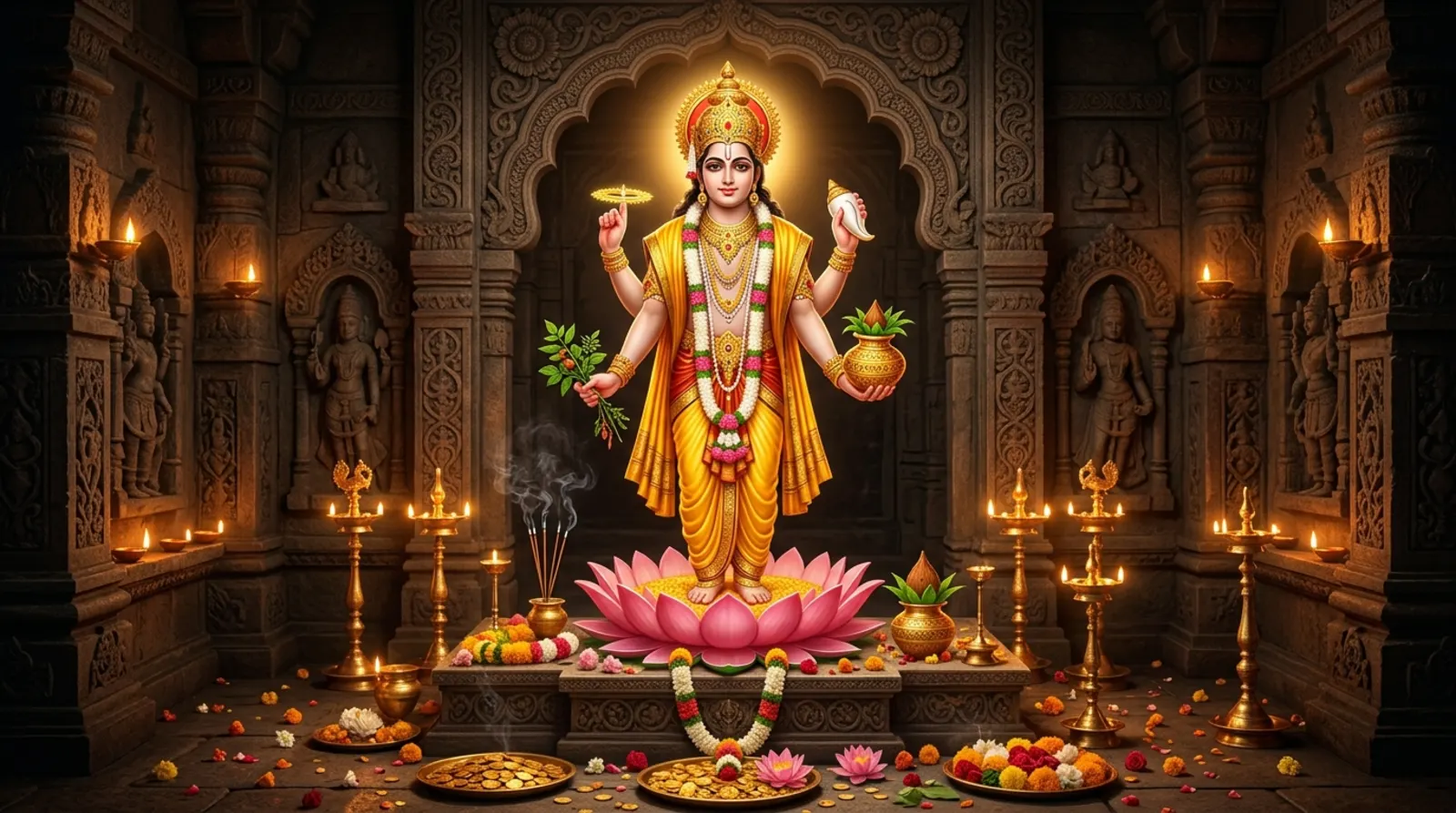
Dhanteras (Trayodashi) marks the beginning of Diwali celebrations. It honors Lord Dhanvantari, the physician of the gods, and is considered auspicious for purchasing gold, silver, or kitchen utensils.
Explore More

Also associated with